“Restrictions breed creativity”
— Mark Rosewater, Lead designer for Magic the Gathering
Broadly speaking, there are two ways to start working on a new concept for a game, be it a video game, card game or a board game. Start out from one or more mechanics and decide what kind of theme will best suit those mechanics or work from the theme and let it dictate which mechanics work best to translate the idea to your players. Whichever approach you take, it is important that theme and mechanics support each other, so that players can make a fitting mental image that helps them understand, among other things, the goal of the game, the actions they can take and the dynamics of the game state.
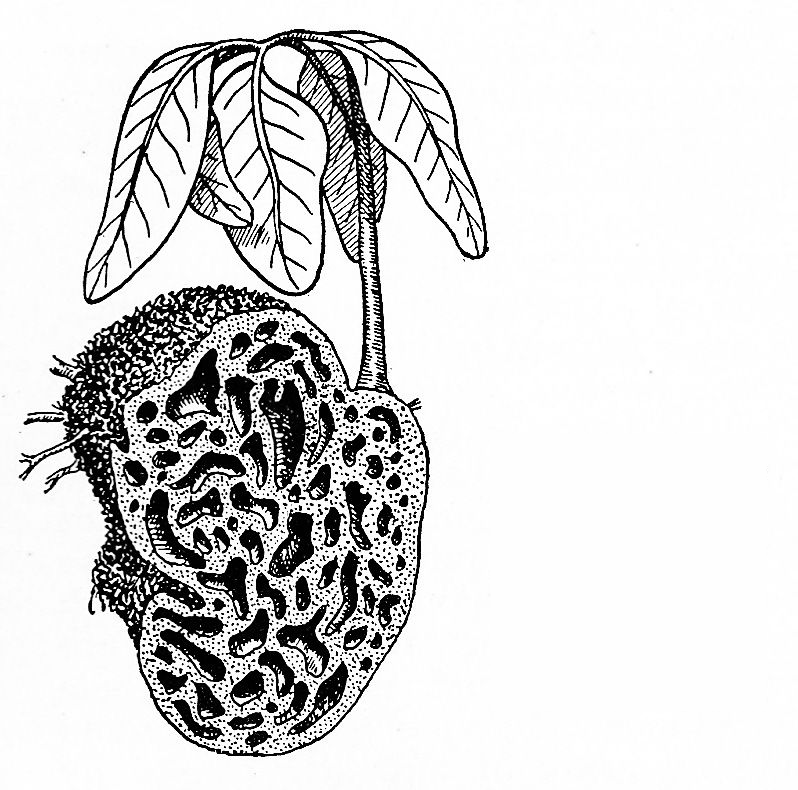
For Ant Plant, we took the thematic approach. While we were visiting the botenical gardens in Amsterdam, we saw a weird looking plant, called an ant plant. Ant plants have a rather interesting mutualism, a symbioses with ants that benefits both parties. The plant provides a home for the ants to live in (in the trunk of the plant). In return, the ants protect the plant whenever it is being attacked by plant-eating insects such as grasshoppers. Besides that, the ants bring the plants nutrients, because ant plants are epiphytes, meaning they grow on other plants and they don’t have excess to a lot of nutrients by themselves.
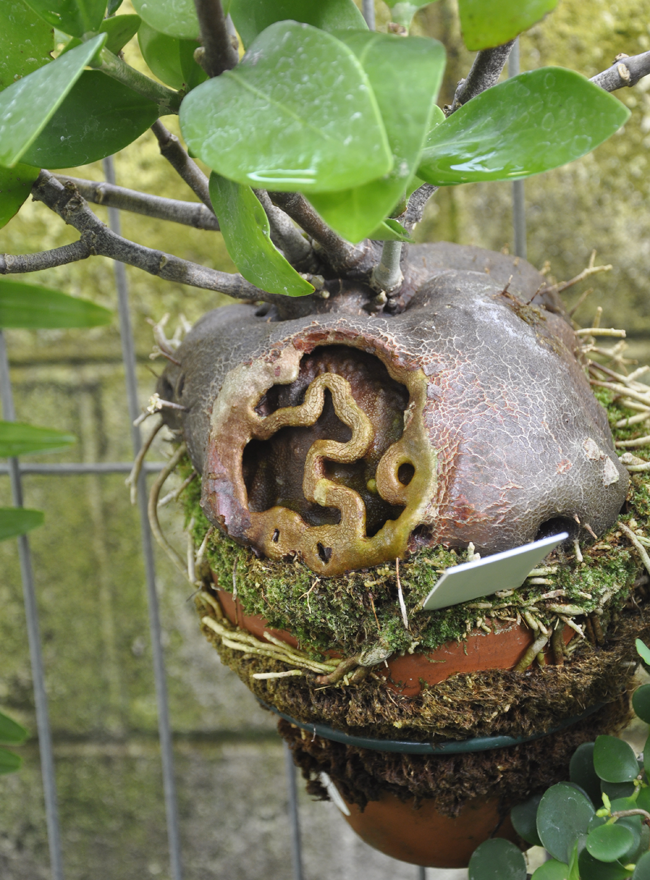
One mechanic that immediately springs to mind, is that players have their own ant plant that they take care of. It consists of two separate locations; a trunk made of tunnels in which ants can be placed and an upper layer where it grows leafs. The tunnels contain action locations that players can activate by placing ants on them. If they do, they can consequently not use that action anymore until the ants are removed again and the action spots are cleared once again.
Leave a Reply